
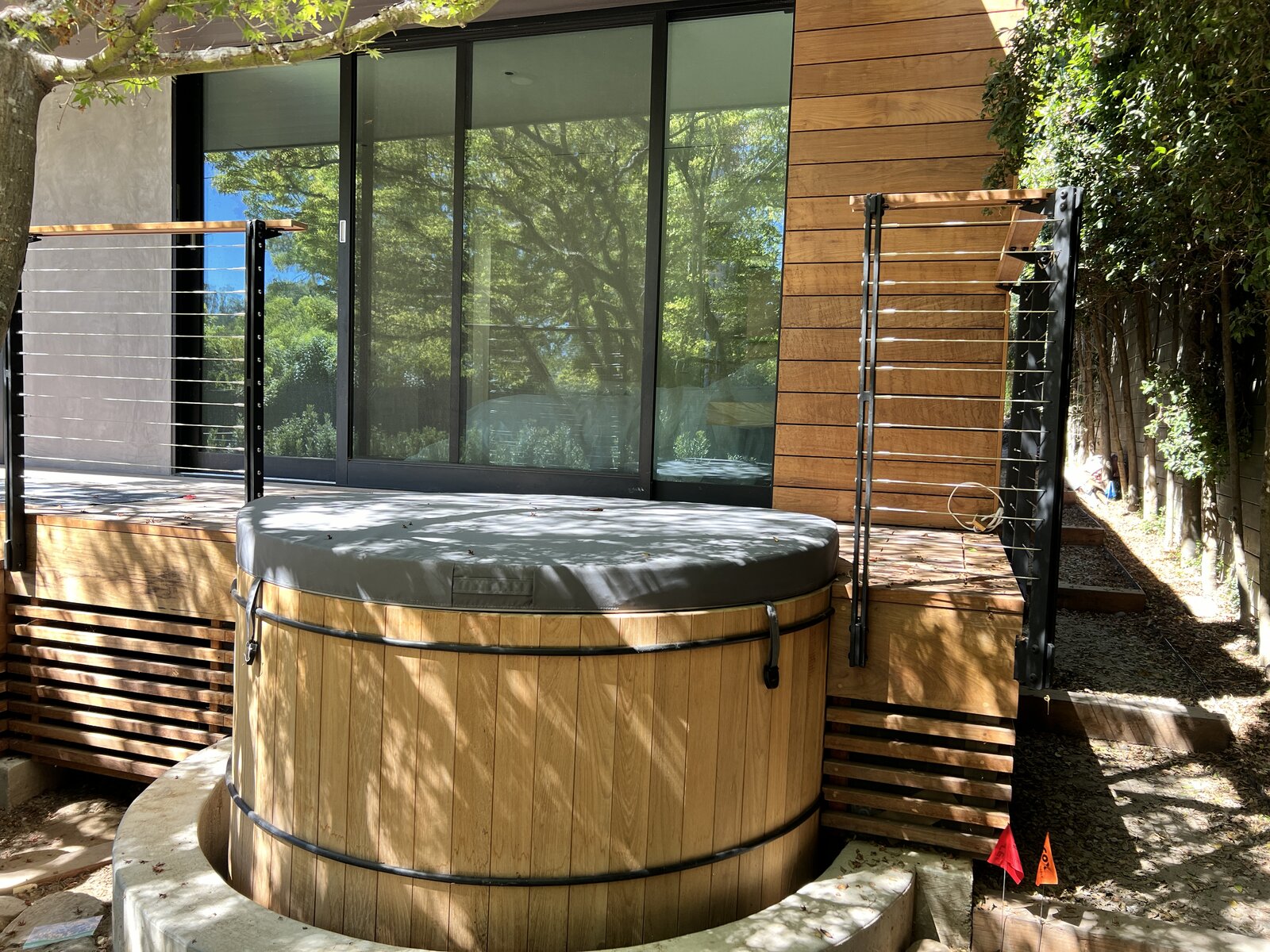
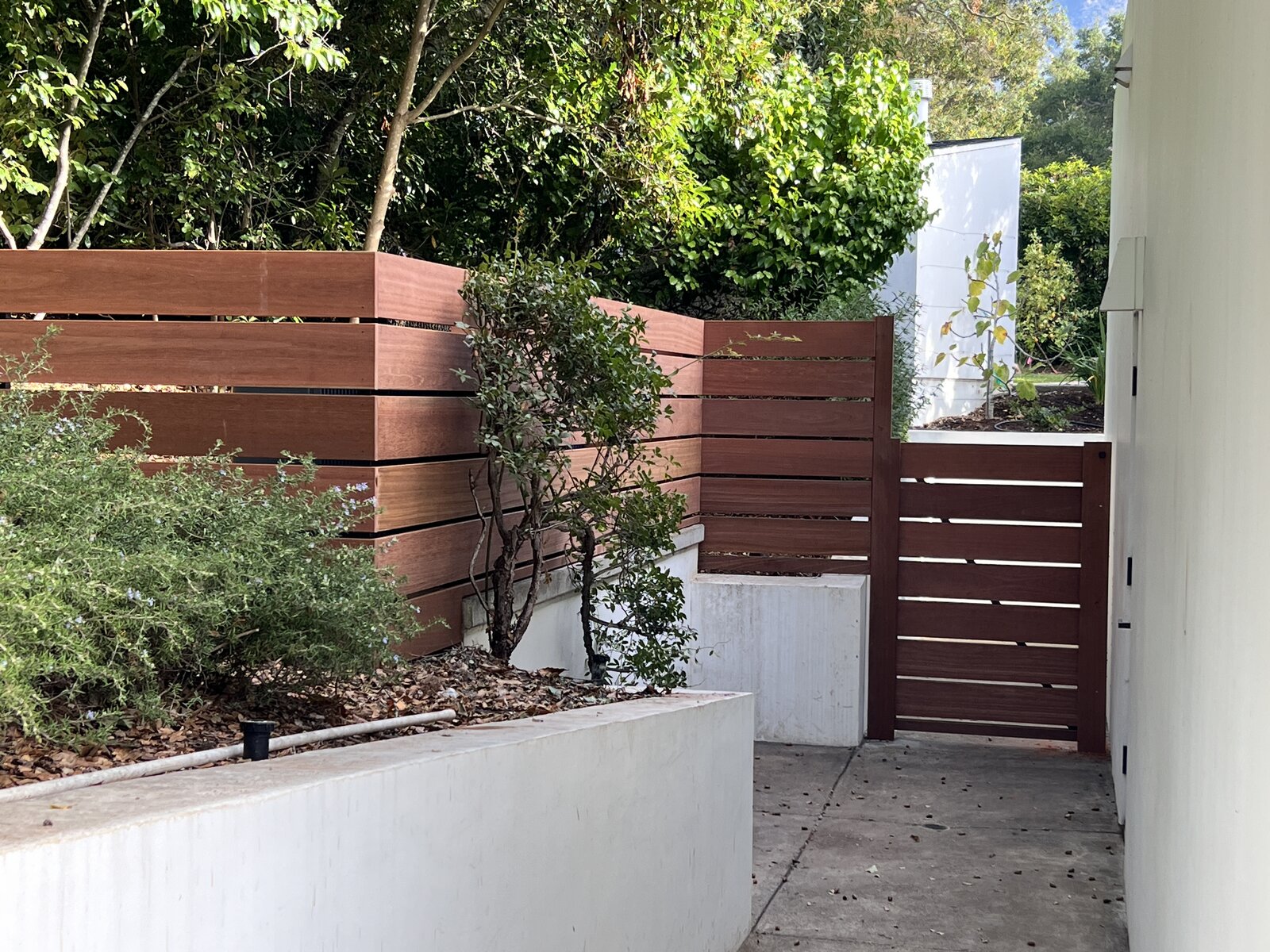
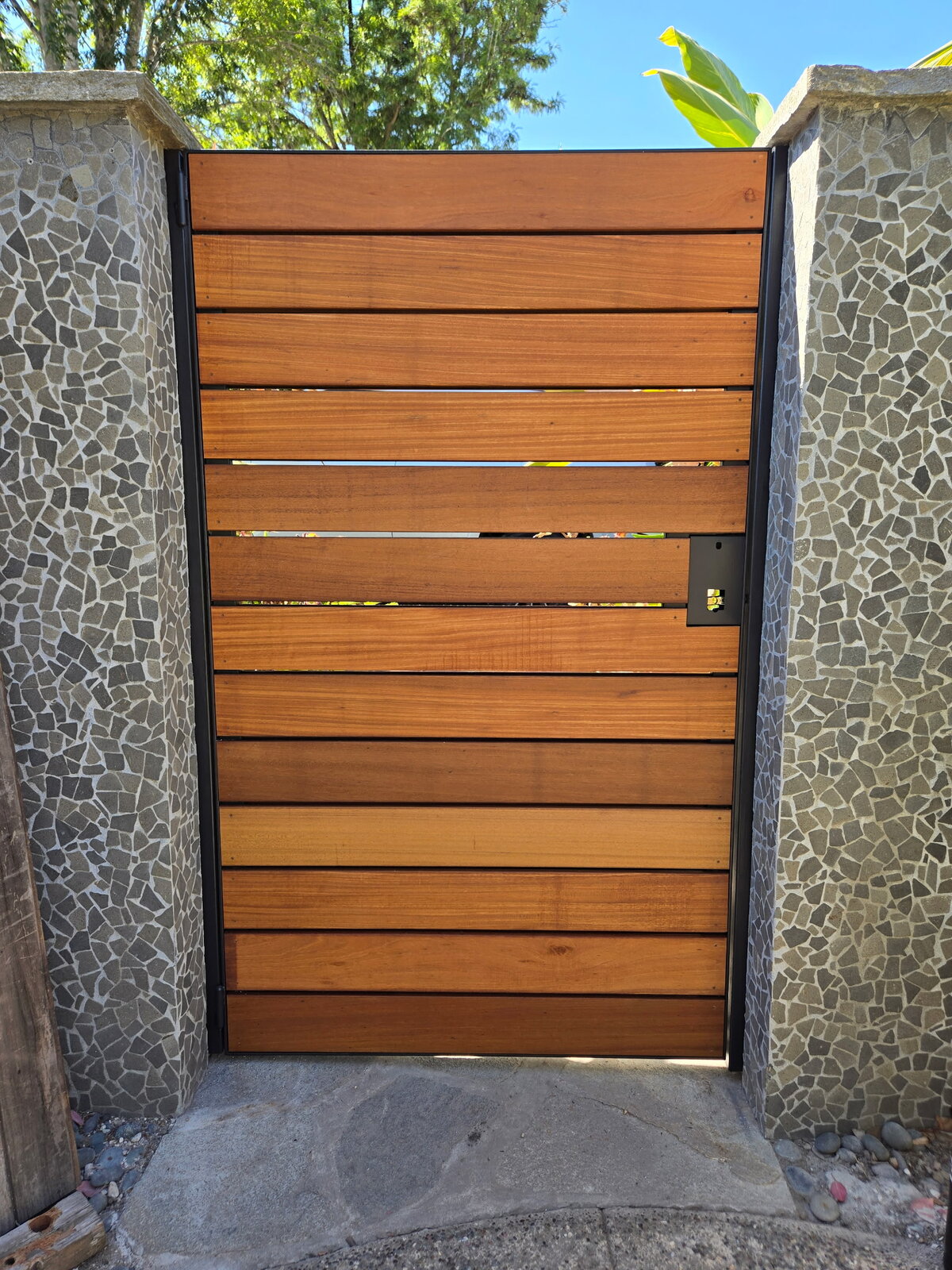
When a client wants a fence, deck, or gate that will still be beautiful when the kids are grown, the conversation turns to tropical hardwoods. These are the densest, most naturally durable woods we work with — so hard they blunt ordinary tools, so rich they make a yard feel like a resort. Few crews on the Central Coast build with them. We do, happily.
Ipe — the benchmark
Brazilian Ipe is what every other decking material compares itself to: extraordinarily dense, naturally resistant to rot, insects, and fire, with a deep chocolate color that can be maintained with oil or allowed to silver gracefully. It's the most expensive of the three and demands real expertise to work — pre-drilling every fastener, stainless hardware, proper spacing for its density. Built right, it's a generational material.
Cumaru — the smart-money hardwood
Sometimes called Brazilian teak, Cumaru gets you most of Ipe's durability at a noticeably lower price. The trade-offs are honest ones: a bit more color variation board to board, and slightly more seasonal movement — both manageable with good installation practice. For many of our clients, Cumaru is the sweet spot.
Red & Golden Balau — the accessible entry
These dense Southeast Asian hardwoods are strong, handsome, and typically the most affordable path into tropical hardwood territory. Red Balau runs deeper mahogany tones; Golden Balau warmer and lighter. Excellent for decking, benches, and gates where you want hardwood performance without the Ipe invoice.
Coastal performance
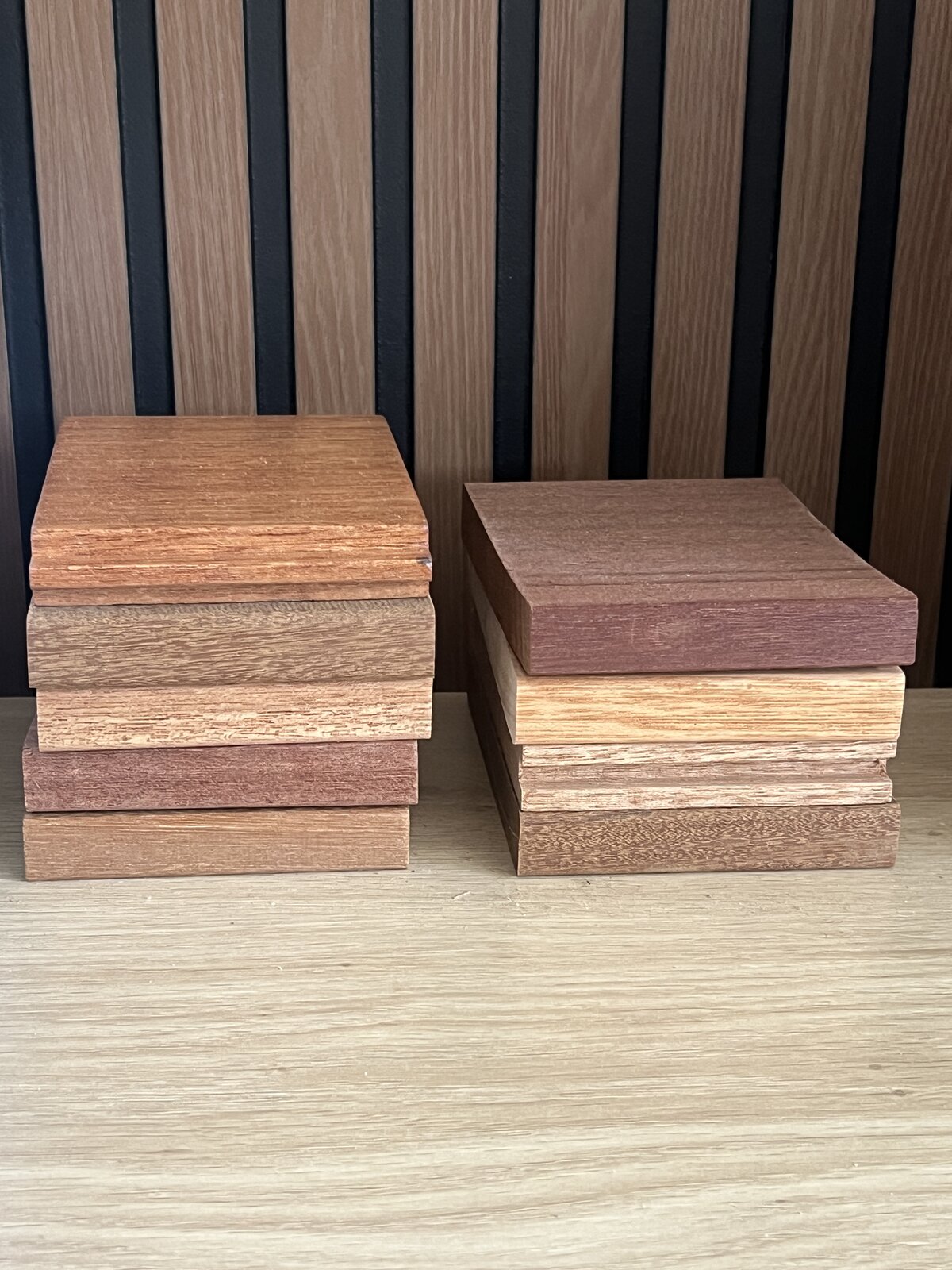
Santa Barbara sun and salt air punish soft materials. Density is what resists them — and these woods are three to five times harder than the softwoods most fences are made from. That's why we bring hardwood samples to consultations: once you hold a piece of Ipe next to a piece of fence-grade softwood, the conversation gets easy.
Ready to see samples? Hardwood decks · Premium fences · Custom gates — or call (805) 203-6165.
From the field
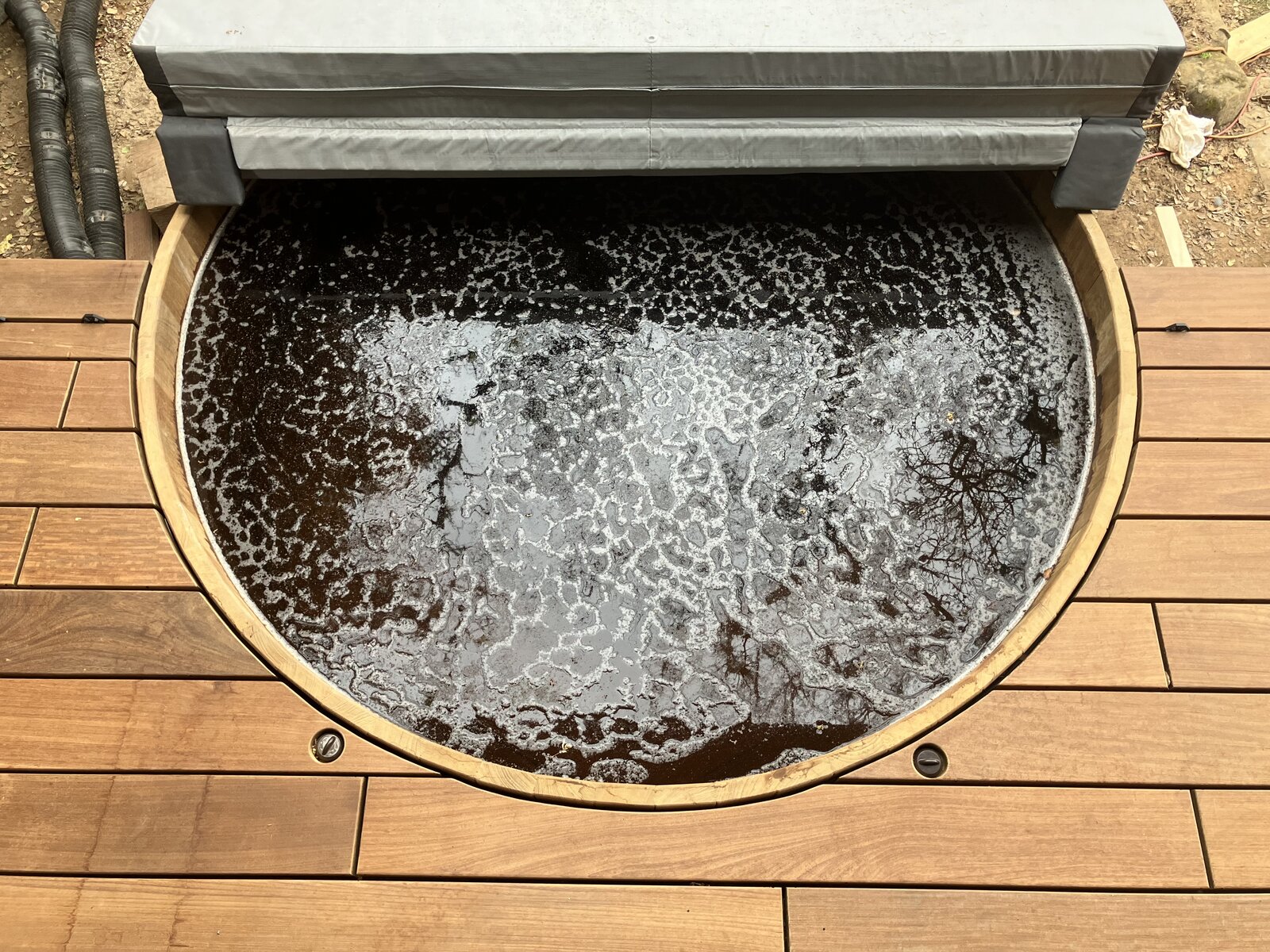
Tropical hardwood work
Good to know
Frequently asked questions
Is Ipe worth the price?
For decks, gates, and fences you plan to keep for decades, often yes. Ipe is among the densest, most rot- and insect-resistant woods on earth — a properly built Ipe structure can outlast several softwood versions. The premium buys longevity, not just looks.
What's the difference between Ipe and Cumaru?
Both are extremely dense Brazilian hardwoods. Ipe is the benchmark — tighter grain, slightly better stability, highest cost. Cumaru delivers most of the same durability at a friendlier price, with a bit more color variation and movement. For many projects, Cumaru is the smart-money pick.
What is Balau?
Red and Golden Balau are dense Southeast Asian hardwoods — strong, durable, and typically the most affordable of the tropical options. A great step into hardwood territory when Ipe or Cumaru stretch the budget.
Do tropical hardwoods need maintenance?
Less than almost anything else. Left alone they weather to an elegant silver-gray; oiled once a year or so, they hold their rich brown color. Either way, the structure itself keeps performing for decades.